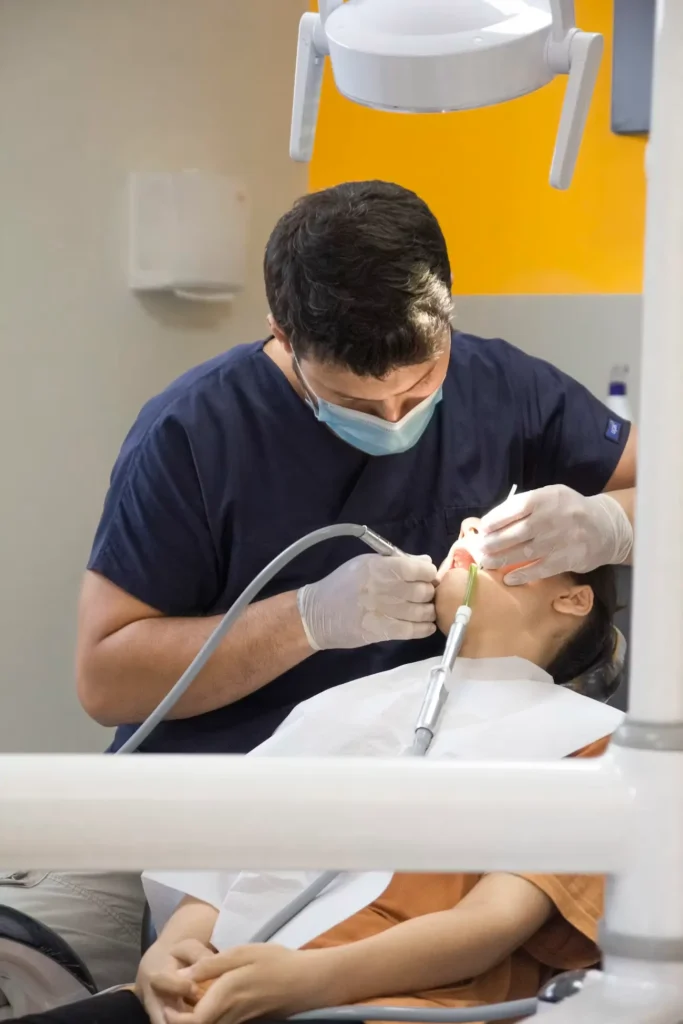
Every dentist has watched an expert make a difficult procedure look simple. Far fewer have felt the difference the first time they attempt it themselves, and that gap is the entire argument for hands-on learning.
Observation builds recognition. It teaches you what good looks like. But it does not build the motor skill, the tactile judgement, or the split-second decision-making that only develop when your own hands are doing the work. Skill is not transferred by watching; it is earned by doing, correcting, and doing again.
Why supervision changes everything
Practising alone can quietly reinforce bad habits. Practising under an experienced clinician means every error is caught early, before it becomes muscle memory. Feedback delivered in the moment — a hand repositioned, an angle adjusted, a sequence reordered — is worth far more than the same note read afterwards.
- Immediate correction before errors become habits
- Tactile judgement that only develops at the chair
- Confidence built through repetition, not observation
- Decisions rehearsed safely, before real patients
“You do not rise to the level of what you have seen. You fall back on what you have practised.”
GADE Faculty, Digital Dentistry
How we teach it
At GADE, hands-on training sits at the centre of every programme. Small cohorts protect time at the chair, simulation precedes patient care, and faculty in active practice supervise directly. The goal is simple: that what you learn in Athens changes what you do the following Monday.